Echoes of the Past: Unearthing Embrun's Architectural Legacy

Echoes of the Past: Unearthing Embrun's Architectural Legacy
For those new to Embrun or longtime residents who appreciate our town’s unique character, understanding the stories woven into its older buildings offers a richer sense of place. This exploration delves into Embrun's architectural heritage, revealing how our streets and structures reflect generations of community spirit, economic shifts, and cultural evolution. You'll learn about the significant landmarks that have shaped Embrun, discover their historical contexts, and gain insight into the enduring spirit that built — and continues to build — our vibrant community.
Embrun, like many settlements across Eastern Ontario, grew from humble beginnings, often centered around key infrastructure or natural resources. For us, the Castor River provided early impetus, but it was the arrival of the railway that truly ignited development. The buildings that line our main thoroughfares today are more than just brick and mortar; they are silent witnesses to this growth, holding within their walls tales of pioneering families, bustling commerce, and community resilience. By examining these architectural layers, we can appreciate the ingenuity and determination of those who laid the groundwork for the Embrun we know today.
What Defines Embrun's Earliest Architectural Styles?
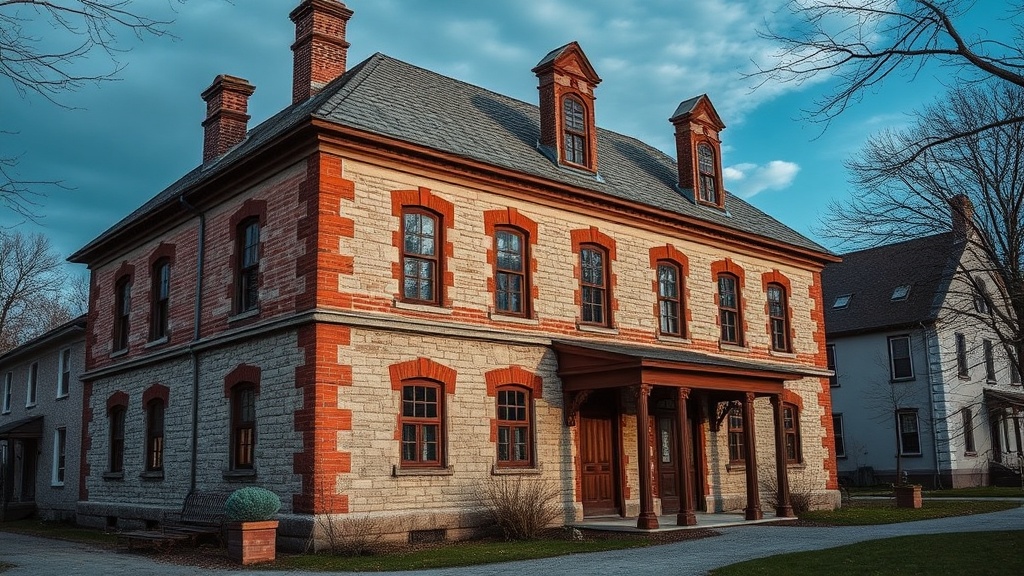
When you walk through Embrun, particularly along Notre Dame Street, you'll notice a distinct evolution in architectural styles. Our earliest structures, often dating back to the late 19th century, frequently showcase practical designs influenced by available materials and the functional needs of a growing agricultural community. You'll find examples of vernacular architecture, characterized by its straightforward, often unadorned appearance, built by local craftspeople using techniques passed down through generations. These homes and storefronts were designed for durability and utility, reflecting a time when form followed function with little extravagance.
Many of these buildings employed local timber and stone, later transitioning to brick as the town became more established and transportation improved. The influence of French-Canadian architectural traditions can sometimes be subtly observed in building proportions and rooflines, though blended with broader Ontario vernacular styles. As the 20th century dawned, more ornate elements began to appear—think decorative cornices, bay windows, and perhaps a touch of Queen Anne Revival or Edwardian detailing on more prominent commercial or civic buildings. These flourishes signaled increasing prosperity and a desire to display a certain sophistication, yet always remained grounded in the town's practical ethos.
How Did the Railway Influence Embrun's Building Boom?
The arrival of the New York Central Railway in Embrun in the late 19th century was a pivotal moment, fundamentally reshaping the town's economic and physical landscape. Before the railway, Embrun was largely an agricultural hub, with limited access to larger markets. The tracks didn't just bring goods in and out; they brought people, opportunities, and a tangible sense of connection to the wider world. This shift is clearly reflected in the town's architecture, particularly around the area where the station once stood. Suddenly, businesses had a reliable way to ship produce and receive supplies, leading to the construction of larger general stores, warehouses, and new commercial ventures designed to cater to a growing population and increased traffic.
The Embrun Station itself—now undergoing a magnificent restoration by the Embrun Historical Society—was a beacon of this progress. Its construction and subsequent role as a transportation nexus spurred building activity in its immediate vicinity. Merchants and service providers recognized the advantage of proximity to the station, leading to a concentrated commercial core. The architectural styles of these buildings often mirrored those found in larger towns of the era, though perhaps on a smaller scale, with an emphasis on durable materials like brick and a more formal, storefront aesthetic. The railway allowed for easier importation of manufactured building components, contributing to more standardized construction practices and a departure from purely local materials. To learn more about this remarkable piece of our history and the ongoing efforts to preserve it, you can visit the